
Economic Benefits
With a strong commitment to clean energy, New York is transforming its economy by stimulating investment, advancing technology, and creating jobs in growing sectors such as wind, solar, and energy storage.

Investing in the Community
Workforce Development, Training, and Education
Supply Chain Reinforcement
Community Investments
Renewable energy projects create long-lasting economic value that uplifts entire communities. Investing locally and partnering with residents, these initiatives stimulate sustainable growth across multiple sectors.
HCAs (Host Community Agreements) and PILOTs (Payment in Lieu of Taxes) are two main ways that developers provide the local communities of a project with monetary investments that contribute to any way the governing entity wishes to use it:
Upgrading local infrastructure — such as road repairs, broadband expansion, or water system improvements.
Supporting public services — including funding for schools, emergency responders, or community centers.
Investing in recreational and quality-of-life projects — like parks, trails, or youth and senior programs.
Workforce Development
Bringing long-term employment, hands-on training, and new learning pathways into local communities, renewable energy helps build a skilled workforce that’s ready for today’s jobs and tomorrow’s innovations.
Job Creation Across All Skill Levels
Construction workers and electricians to engineers and site operators, clean energy projects create stable, well-paying union jobs that support local families.Hands-On Training and Skilled Trade Development
Apprenticeships, union partnerships, and technical certifications give workers practical experience that can be used across multiple industries.STEM and Career Education for All Ages
Investments in school programs, college partnerships, and community learning initiatives introduce students and job-seekers to science, technology, and sustainability careers — building skills that apply far beyond energy.
Strengthening Local Supply Chains
From manufacturing and transportation to fabrication and professional services, renewable energy development activates a wide range of local suppliers and contractors.
Whether it’s sourcing steel from nearby fabricators, hiring local electricians, heavy equipment operators and landscapers, or partnering with regional ports, each project creates ripple effects that extend far beyond the worksite. Many developers also commit to “Buy Local” or domestic procurement strategies, helping keep project spending within the community.
Clean energy helps small businesses grow, encourages new companies to enter the market, and builds long-term industrial capacity. Over time, this creates a more resilient, homegrown energy economy — one that reduces reliance on imported materials and ensures local workers and businesses benefit from the transition to cleaner power.
Real Towns, Real Benefits
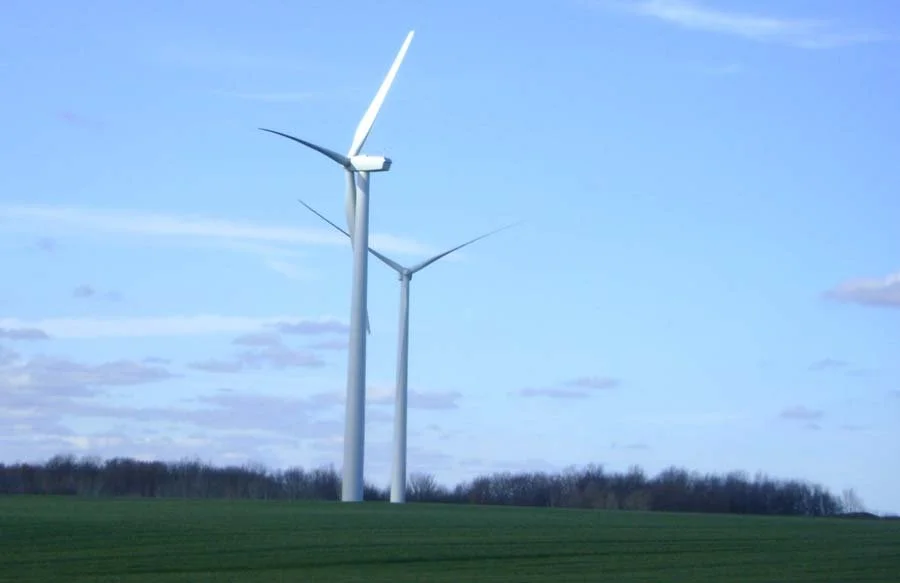
High Sheldon Wind Farm: Town of Sheldon
The High Sheldon Wind farm in Wyoming County, finished in 2009, has generated enough tax revenue for the Town of Sheldon that the residents have not paid town taxes since 2007.
$17 million has been invested into the Town of Sheldon and Wyoming County since 2007.
$1.5 million in PILOT fees have been paid by the project.
$752,962 given to the Town of Sheldon in a Host Community Agreement (HCA).
As of November 2022:
$454,000 towards road agreement by town.
$95,000 to refurbish the Strykersville School Museum.
$18,500 to install a walking path and basketball court at the town park.
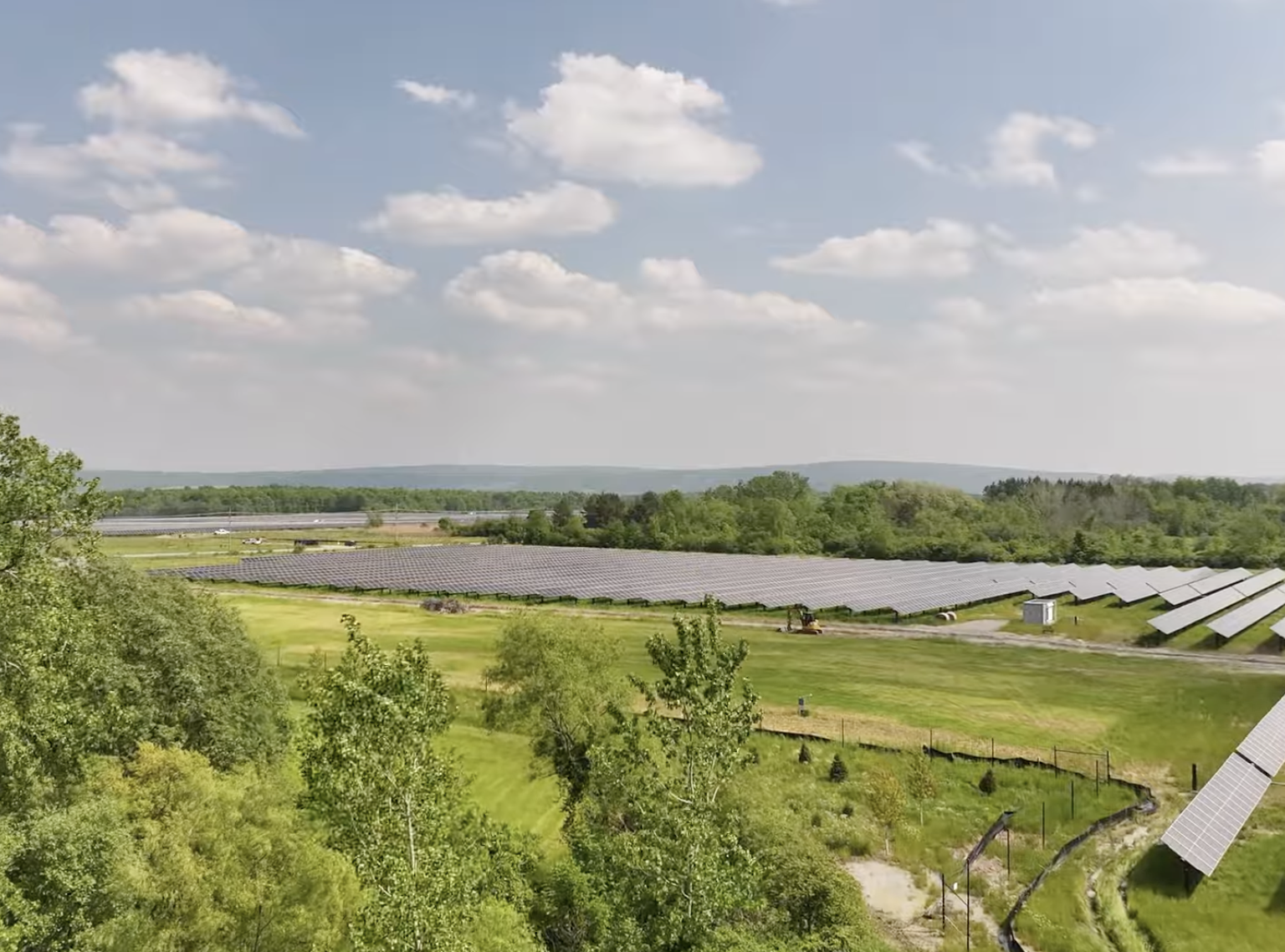
Morris Ridge Solar: Town of Mt. Morris
With its start of operations in April 2025, Morris Ridge Solar will power over 47,000 households, and has brought $1.6 million in direct community payments in its first year. Of the $1.6 million:
$380,000 to the Town of Mt. Morris, Livingston County, as well as Mt. Morris and Keshequa Central School Districts (escalating 1% annually.)
$260,000 to the Town of Mt. Morris and Fire Districts (escalating 1% annually.)
$900,000 in direct landowner payments.
$100,000 in additional property taxes.
$20,000 to community activities.
At the height of construction, the project employed 550 people.
Morris Ridge Solar will bring tax benefits of over $16 million into local entities over the next 20 years.
Looking Ahead
In New York’s "reddest county," renewable energy isn't just about the grid—it's about the budget. This video explores how Wyoming County has embraced five wind projects to solve the ultimate local government challenge: providing high-quality services like snow plowing, road repair, and emergency response without raising taxes.
Hear directly from local leaders in the Town of Arcade, Town of Eagle, and the Wyoming County IDA as they discuss:
Budget Transformation: How one town’s wind agreement now covers nearly 50% of its annual budget.
Infrastructure Wins: Real examples of funding for new fire trucks, snowplows, and complete road repaving.
Economic Development: How energy revenue turned a $125k line of credit into $3 million in assets for local business growth.
The Long View: Managing the full lifecycle of a project, from construction to decommissioning and repowering.
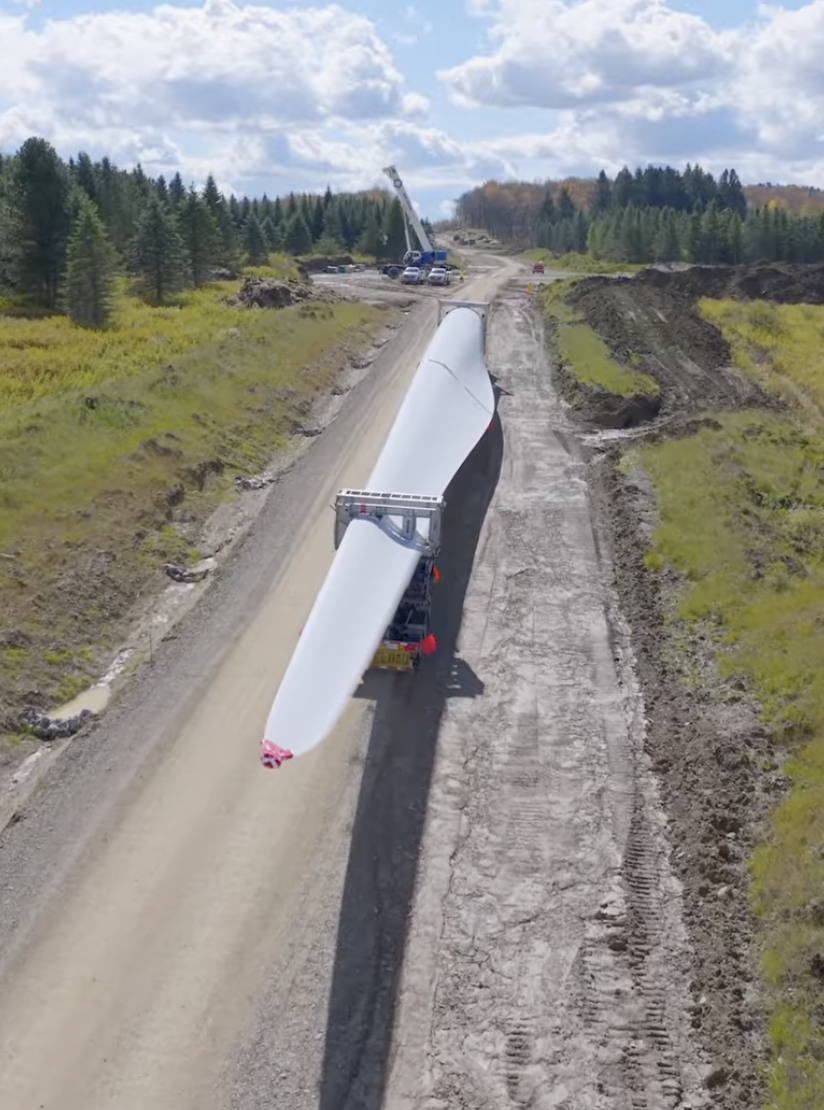
Alle-Catt Wind: Allegany, Cattaraugus, Wyoming County
Alle-Catt Wind is a 340 MW wind farm currently under construction in Western New York. When completed, the project will power 134,000 homes, and will contribute over $9 million annually to the local communities.

